Reaffirming Our Commitment to Quality
At Fusión Pampa, quality is not just a promise—it is a certified commitment. We have successfully passed IRAM's annual surveillance audit,...


+54 0237 4654603
+54 11 50146789
tecnica@fusionpampa.com
Buenos Aires Province
Intendente Don Juan Lumbreras 1800, Sector Industrial Planificado, (1748) Gral. Rodríguez
Buenos Aires City
Humaita 6819 (C1408EGE)
Córdoba Province
Ruta A005 (2650) Colectora Oeste, Rio Cuarto
La Pampa Province
Av. Santiago Marzo este 1955, (L6304) Santa Rosa
At Fusión Pampa, we understand the importance of animal health. That is why we offer a selection of high-quality veterinary pharmaceuticals designed to prevent and treat diseases in various species, ensuring effective and reliable care to maintain animal health.

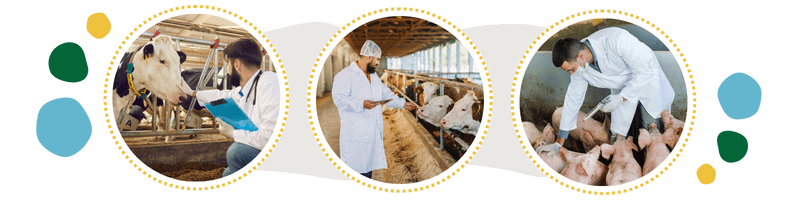
In pigs, for the treatment of infections caused by: Actinobacillus pleuropneumoniae, Pasteurella multocida, Streptococcus suis, Bordetella bronchiseptica, and Haemophilus parasuis.
Prepare the solution to be administered daily. Do not administer simultaneously with tetracyclines, macrolides, lincosamides, or other β-lactams.
Sale under prescription by a Veterinarian. Keep out of reach of children and domestic animals.
Treated birds must not be slaughtered for human consumption until 7 days after the end of treatment. Treated pigs must not be slaughtered for human consumption until 15 days after the end of treatment.
oral
500 g
Each 100 g of AMOXIVIC® contain:
Amoxicillin (Trihydrate) – 50 g
Excipients q.s. to 100 g
Pigs: 10–20 mg of amoxicillin per kg body weight. In practice, 20–40 mg of AMOXIVIC® per kg body weight, in drinking water, for 5 days.
In broilers and replacement birds for the treatment of infections caused by: Escherichia coli, Avibacterium paragallinarum, Pasteurella sp., Staphylococcus sp.
Sale under prescription by a Veterinarian. Veterinary use. Keep out of reach of children.
Treated birds must not be slaughtered for human consumption until 7 days after treatment ends. Do not use in laying hens producing eggs for human consumption.
Oral route
500 g
1 gram per liter
Administer for a minimum of 5 days, depending on severity or as directed by the Veterinarian.
128 mg of AVIFOS per kg b.w./day (equivalent to 32 mg of active ingredient per kg b.w.). To ensure proper mixing and dissolution, pour the content of the AVIFOS® bag into a dry container and add water to mix. Always prepare fresh solutions daily. Optionally, soak the dose in 10 L of water for 3 minutes for prior dissolution.
Oral emulsion for veterinary use.
If necessary, establish the corresponding antimicrobial therapy. Keep out of reach of children and domestic animals. Sold under veterinary prescription. Veterinary use only.
20 L
Each 100 mL of BROMHEXOL® NF contains:
Bromhexine Hydrochloride 0.30 g
Guaifenesin 2.00 g
Eucalyptol 60% 7.00 g
Excipients q.s. 100 mL
Poultry: 0.5 – 1.0 mL of BROMHEXOL® NF per liter of drinking water (1.5 – 2.0 L for 5,000 birds) for 3 to 5 days.
Pigs: 15 to 20 mL per animal per day for 3 to 5 days.
Piglets: 5 to 10 mL per piglet per day for 3 to 5 days.
Aerosol route: For poultry, use 250 mL of BROMHEXOL® NF in 20 L of water. Apply one spray or aerosol per day for 3 to 5 days.
The frequency and duration of treatment should be determined by the veterinarian.
Pigs: For the treatment of secondary bacterial infections within the swine respiratory complex, such as Actinobacillus pleuropneumoniae, Pasteurella, Bordetella, Streptococcus, Glaesserella parasuis (Haemophilus) and other Florfenicol-sensitive pathogens.
Sold under veterinary prescription. Veterinary use only. Keep out of reach of children and pets. Use personal protective equipment and avoid direct contact with eyes and skin.
Treated birds must not be slaughtered for human consumption until 5 days after the end of treatment. Treated pigs must not be slaughtered for human consumption until 13 days after treatment has ended. Do not administer to laying hens producing eggs for human consumption.
Oral route
5 kg
DOSAGE TABLE OF CARFENICOL® CG 20%
Type of pig Weight (kg) CARFENICOL® CG 20% dose (g/ton feed) Treatment duration Daily feeding
Weaned piglets 5 – 30 kg 250 – 500 g/ton 14 days Ad libitum
Growing–finishing pigs 30 – 100 kg 300 – 600 g/ton 14 days Ad libitum
Pregnant sows 200 – 250 kg 1 – 2 kg/ton 14 days 2 – 2.5 kg/day
Lactating sows 200 – 250 kg 200 g/ton 14 days Ad libitum
Presentations:
5 kg
Each 100 g of CARFENICOL® CG 20% contains:
Florfenicol 20 g
Excipients q.s. 100 g
Poultry: 30 mg of Florfenicol per kg body weight for 5 to 7 consecutive days. The premix incorporation rate in feed may be adjusted to reach the required dosage based on body weight and actual feed intake.
Pigs: 2 – 4 mg of Florfenicol per kg body weight.
Production phase – Carfenicol CG20 dosage:
Weaned piglets to 30 kg: 250 – 500 g/ton.
Growing–finishing pigs: 300 – 600 g/ton.
Breeding stock: 1 – 2 kg/ton.
Pigs: For the treatment of secondary bacterial infections associated with the swine respiratory complex, such as Actinobacillus pleuropneumoniae, Pasteurella, Bordetella, Streptococcus, Glaesserella parasuis (Haemophilus) and other Florfenicol-sensitive organisms.
Sold under veterinary prescription. Keep out of reach of children and domestic animals. Veterinary use only.
Treated pigs must not be slaughtered for human consumption until 5 days after the end of treatment.
Oral route
5 kg
Each 100 g of CARFENICOL® PREMIX contains:
Florfenicol 5 g
Excipients q.s. 100 g
Dosage and administration:
Administer orally mixed with feed. Pigs: 2 – 4 mg of Florfenicol per kg body weight.
Production phase – Carfenicol Premix dosage:
Weaned piglets to 30 kg: 1 – 2 kg/ton.
Growing–finishing pigs: 1 – 2 kg/ton.
In pigs for the control of infections caused by Haemophilus parasuis, Actinobacillus pleuropneumoniae and Streptococcus sp.
The product may cause mild diarrhea, erythema and/or perianal edema in piglets, which will resolve upon discontinuation of treatment. Avoid combining with other phenicol-group antibiotics such as chloramphenicol or thiamphenicol, as they compete for the same site of action. Prepare the solution daily. Do not administer to pregnant animals or breeding males, as it may cause testicular tubular atrophy. Veterinary use only. Keep out of reach of children. Sold under veterinary prescription.
Treated pigs must not be slaughtered for human consumption until 28 days after the end of treatment.
Oral route
1 L
Each 100 g of CARFENICOL® ORAL SOLUTION contains:
Florfenicol 10 g
Excipients q.s. 100 mL
Dosage and administration:
The therapeutic dose of CARFENICOL® ORAL SOLUTION is:
Swine: 10 mg of Florfenicol per kg of body weight. In practice, 50 to 100 mL of CARFENICOL® ORAL SOLUTION per 100 L of drinking water for 3–5 days as the sole source of water.
Powder for reconstitution with diluent.
Cattle: For the treatment of diseases caused by Pasteurella haemolytica, Pasteurella multocida, Staphylococcus sp., Streptococcus sp., Salmonella sp., Escherichia coli and Haemophilus sp.
Day-old chicks: To prevent early mortality associated with yolk-sac infections, omphalitis, colibacillosis, pasteurellosis, salmonellosis and staphylococcal infections.
Do not administer to animals with known hypersensitivity to cephalosporins. Do not administer intravenously. Store between 15 °C and 25 °C in a dry place protected from direct light. Keep out of reach of children. Sold under prescription.
Treated animals must not be slaughtered for human consumption until 48 hours after the end of treatment. Do not administer to lactating dairy cattle producing milk for human consumption.
80 mL
Each mL of reconstituted product contains:
Ceftiofur sodium (as Ceftiofur base) 50.00 mg
Excipients q.s. 1.00 mL
Add the contents of the diluent vial to the powder vial, shake vigorously, and apply according to the recommended dosage.
After reconstitution, keep the product between 15 and 30 °C for up to 12 hours or refrigerated (2 to 8 °C) for up to 5 days.
Cattle: Administer intramuscularly at a dose of 1.1 – 2.2 mg/kg body weight (2.2 – 4.4 mL of solution per 100 kg body weight) every 24 hours for 3 to 5 days of treatment.
Poultry: In day-old chicks, inject subcutaneously in the neck region at 0.08 to 0.12 mg per bird together with Marek’s vaccine. One 4 g vial treats approximately 40,000 birds.
For the treatment and control of respiratory infections in pigs associated with Mycoplasma hyopneumoniae, Pasteurella multocida, Actinobacillus pleuropneumoniae and Actinomyces pyogenes.
Sold under veterinary prescription. Veterinary use only. Keep out of reach of children and domestic animals.
Treated animals must not be slaughtered for human consumption until 7 days after the end of treatment.
Oral route
10 kg
Each 100 g of CERTYL® CG 40 contains:
Tilmicosin (equivalent to 44.5 g of Tilmicosin Phosphate) 40.0 g
Excipients q.s. 100 g
Pigs: 8–20 mg/kg body weight (200–400 ppm in feed) for 10–15 days.
In swine for the control and treatment of diseases caused by Mycoplasma hyopneumoniae, Pasteurella multocida, Actinobacillus pleuropneumoniae and Actinomyces pyogenes.
Veterinary use only. Keep out of reach of children. Sold under veterinary prescription.
Treated pigs must not be slaughtered for human consumption until 7 days after the end of treatment.
Oral route
10 kg
Each 100 g of CERTYL® PREMIX contains:
Tilmicosin Phosphate 20 g
Excipients q.s. 100 g
Administer orally mixed with feed.
Pigs: 200–400 ppm of Tilmicosin (1–2 kg of CERTYL® PREMIX per ton of feed). Provide continuously for 10–15 days.
Development stage | Dosage | Treatment days
Broilers (starter phase): 0.5 kg/ton of CERTYL® PREMIX – First 14–21 days.
Breeders: 15–20 mg/kg active ingredient – 7 consecutive days every 4 weeks.
For the treatment and control of respiratory infections in pigs associated with Mycoplasma hyopneumoniae, Actinobacillus pleuropneumoniae, Pasteurella multocida and Actinomyces pyogenes.
Sold under veterinary prescription. Keep out of reach of children and domestic animals. Veterinary use only.
Treated pigs must not be slaughtered for human consumption until 7 days after the end of treatment.
Oral route
240 mL | 1 L
Each 100 g of CERTYL® SOLUBLE contains:
Tilmicosin 25 g
Excipients q.s. 100 g
Pigs: Administer in drinking water at 15–20 mg of Tilmicosin per kg body weight daily.
In practice: 200 mg Tilmicosin per liter of water (0.8 mL of CERTYL® SOLUBLE per liter) for 5 days.
Administer CERTYL® SOLUBLE via drinking water.
Broilers, replacement pullets and turkeys for the control and treatment of infections caused by Escherichia coli, Avibacterium paragallinarum, Pasteurella multocida, Gallibacterium anatis biovar haemolytica, Pseudomonas aeruginosa and Mycoplasma spp.
Prepare the solution daily. Keep out of reach of children and domestic animals. Sold under veterinary prescription. Veterinary use only.
Treated animals must not be slaughtered for human consumption until 10 days after the end of treatment. Do not administer to laying hens producing eggs for human consumption.
Oral route
250 g
Each 100 g of CIFLOX 200® contains:
Ciprofloxacin Hydrochloride 20 g
Excipients q.s. 100 g
The average recommended dose is 10 mg of Ciprofloxacin per kg of body weight for 3–5 days, equivalent to 50 mg of CIFLOX 200 per kg of body weight. Administer orally in drinking water for 5 consecutive days. Practical dose: 1 g of CIFLOX 200 per 4 liters of drinking water.
In swine (all production stages) for the treatment of respiratory diseases caused by Mycoplasma hyopneumoniae (enzootic pneumonia and porcine respiratory disease complex), Actinobacillus pleuropneumoniae (pleuropneumonia); digestive diseases caused by Brachyspira hyodysenteriae (swine dysentery), Lawsonia intracellularis (proliferative enteropathy) and Brachyspira pilosicoli (spirochetosis); and Mycoplasma hyosinoviae (arthritis).
For correct medication with CLORTIAMULIN®, adjust the dose to daily feed intake and average animal weight. Do not administer simultaneously with ionophore antibiotics such as maduramicin, lasalocid, salinomycin, monensin or narasin. Sold under veterinary prescription. Keep out of reach of children and domestic animals. Veterinary use only.
Treated animals must not be slaughtered for human consumption until 21 days after the end of treatment.
Oral route
15 kg
Each 100 g of CLORTIAMULIN® contains:
Tiamulin Hydrogen Fumarate 3.3 g
Chlortetracycline Calcium 10 g
Excipients q.s. 100 g
Administer orally mixed with feed. Adjust the dosage to 100–150 ppm of Tiamulin Hydrogen Fumarate and 300–450 ppm of Chlortetracycline Calcium. In practice: 4.5 kg of CLORTIAMULIN® per ton of feed for 7 days or as advised by a veterinarian.
Indicated for poultry (broilers and replacement pullets) and pigs for the treatment of infections of the digestive, respiratory, and reproductive tracts:
Gram-negative bacteria: Escherichia coli, Haemophilus spp, Pasteurella spp, Pseudomonas aeruginosa, Gallibacterium anatis.
Gram-positive bacteria: Staphylococcus spp and Streptococcus spp.
Mycoplasmas: Mycoplasma spp.
Prepare dilutions daily. Sold under veterinary prescription. Keep out of reach of children and domestic animals. Veterinary use only.
Treated animals must not be slaughtered for human consumption until 7 days after the end of treatment. Do not administer to laying hens producing eggs for human consumption.
Oral route
1000 mL
Each 100 mL of Enrociclina 200 contains:
Enrofloxacin 20 g
Excipients q.s. 100 mL
Dosage:
Poultry and pigs: 10 mg of Enrofloxacin per kg of body weight.
In practice: 1 mL of ENROCICLINA® 200 per 20 kg of body weight, administered in drinking water for 3 to 10 days in poultry and at least 5 days in pigs.
For birds using the dropper bottle presentation, each drop contains 10 mg of Enrofloxacin. In practice: 1 drop of ENROCICLINA® 200 per kg of body weight for 3 to 10 days.
In poultry (broilers and replacement pullets) for the control of necrotic enteritis (Clostridium perfringens) and other susceptible Gram-positive bacteria.
In swine for the treatment of Mycoplasmal pneumonia (Mycoplasma hyopneumoniae), swine dysentery (Brachyspira hyodysenteriae), intestinal spirochetosis (Brachyspira pilosicoli) and porcine proliferative enteropathy (Lawsonia intracellularis).
Do not administer to rabbits, guinea pigs, horses or cattle. Pre-mix and homogenize the appropriate amount of Lincarval® 11% with a portion of feed before adding to the final mix. Use personal protective equipment when handling. Avoid contact with eyes and skin. Sold under veterinary prescription. Keep out of reach of children and domestic animals.
Treated animals must not be slaughtered for human consumption until 8 days after treatment. Use personal protective equipment and avoid contact with eyes and skin. Prepare daily. No withdrawal period for poultry at recommended dose. Do not administer to laying hens producing eggs for human consumption. Swine must not be slaughtered for consumption before the withdrawal period ends.
Oral route
25 kg
Each 100 g of Lincarval® 11% contains:
Lincomycin base (as Lincomycin Hydrochloride 11.4 g) 11 g
Excipients q.s. 100 g
Administer orally mixed with feed:
Poultry (broilers and replacement pullets): 2–4 g of lincomycin per ton of feed for 21 days (20–40 g of Lincarval® 11% per ton). Adjust concentration according to feed intake and body weight.
Swine: 2 kg of Lincarval® 11% per ton of feed (≈ 220 ppm lincomycin) for 14 days in porcine proliferative enteritis and 21 days in dysentery or pneumonia. Use other doses as directed by a veterinarian.
In swine for the control and treatment of enteritis caused by Escherichia coli, ileitis associated with Lawsonia intracellularis, swine dysentery caused by Brachyspira hyodysenteriae and associated with Clostridium sp., intestinal spirochetosis (Brachyspira pilosicoli), MMA syndrome (Mastitis-Metritis-Agalactia) due to Staphylococcus sp. and Streptococcus sp., and as an adjunct in the control of enzootic pneumonia by Mycoplasma sp.
Veterinary use only. Keep out of reach of children and domestic animals. Sold under veterinary prescription. Do not administer to horses, ruminants, rodents or rabbits.
Treated animals must not be slaughtered for human consumption until 8 days after treatment. Use personal protective equipment when handling and avoid contact with eyes and skin. Prepare fresh daily.
Oral route
25 kg
Each 100 g of Lincarval® ES contains:
Lincomycin 4.4 g
Spectinomycin 4.4 g
Excipients q.s. 100 g
Administer 0.5 – 1 kg of Lincarval® ES per ton of feed (44 – 88 g of active ingredients) for 14 days in ileitis or 7 days in dysentery and enteric conditions. For Mycoplasma control, doses up to 200 ppm (2 kg per ton of feed) may be used during the first 3 weeks post-weaning.
In swine for the treatment and control of enzootic pneumonia caused by Mycoplasma hyopneumoniae and complicated by Mycoplasma hyorhinis, Pasteurella sp., Haemophilus sp.; control of swine dysentery caused by Brachyspira hyodisenteriae, porcine colitis caused by Brachyspira pilosicoli and porcine proliferative enteropathy caused by Lawsonia intracellularis.
Veterinary use only. Keep out of reach of children and domestic animals. Sold under veterinary prescription. Do not administer to animals receiving feed medicated with salinomycin, monensin or narasin due to risk of intoxication.
Treated pigs must not be slaughtered for human consumption until 5 days after the end of treatment.
Oral route
15 kg
Each 100 g of Tiamulin® CG 30% contains:
Tiamulin fumarate 30 g
Excipients q.s. 100 g
Swine: 4–8 mg/kg of tiamulin. For the control of enzootic pneumonia and swine dysentery, administer 100 g of Tiamulin® CG 30% per ton of feed for 10 days. For treatment of enzootic pneumonia and control of colitis and porcine proliferative enteropathy, administer 600 g per ton of feed for 10–14 days. Other dosages as directed by the veterinarian.
Type of bird Tiamulin (g/ton feed) Tiamulin® CG 30% (g/ton feed) Treatment days
Broilers 30–60 100–200 g 7 days
Pullets and replacement hens 60 200 g 7 days
Breeders – growing 60–100 200–333 g 7 days
Breeders – production 120–200 400–666 g 7 days
In swine for the treatment of swine dysentery caused by Brachyspira hyodysenteriae.
Veterinary use only. Keep out of reach of children. Sold under veterinary prescription.
Treated animals must not be slaughtered for human consumption until 2 days after the end of treatment. Do not administer to laying hens in production.
Oral route
100 g | 250 g
Each 100 g of Tylovic® contains:
Tylosin tartrate 100 g
Swine: administer 1 g per 4 L of drinking water for treatment of swine dysentery. Do not stir the product; leave the required amount in 10 liters of water for three minutes to dissolve.
It is used for the treatment of respiratory disease complexes caused by Mycoplasma hyopneumoniae, Pasteurella multocida, and/or Bordetella bronchiseptica, as well as for the control of Actinobacillus pleuropneumoniae infections. Doxycycline is also used for the treatment and control of ileitis caused by Lawsonia intracellularis.
10kg
Doxycycline 50%
Anthelmintic for the treatment of gastrointestinal and lung worm infestations caused by:
Pigs: Ascaris suum, Metastrongylus spp., Oesophagostomum dentatum, Hyostrongylus spp. and Trichuris suis.
Cattle: Haemonchus spp., Ostertagia spp., Trichostrongylus spp., Cooperia spp., Nematodirus spp., Oesophagostomum spp., Bunostomum spp., Capillaria spp., Trichuris spp., Strongyloides spp., Dictyocaulus viviparus, Moniezia sp. and Giardia sp.
Horses: Ascaris sp., Oxyuris equi and Strongyloides spp.
Keep out of reach of children. Veterinary use only.
Poultry and swine treated must not be slaughtered for human consumption until 3 days after the end of treatment. Cattle and horses must not be slaughtered for 14 days after treatment. Milk produced during treatment and for 96 hours after must not be used for human consumption.
Oral route
12.5 kg
Each 100 g of FENVIZOLE® contains:
Fenbendazole 4 g
Excipients q.s. 100 g
Pigs: Administer continuously in feed at the following rates:
Weaners–growers–finishers: 150 g/ton (6 ppm) continuous use;
1 day treatment: 2500 g/ton (100 ppm); 5 days: 500 g/ton (20 ppm); 10 days: 250 g/ton (10 ppm).
Breeding stock: 1 day – 10 kg/ton (400 ppm); 5 days – 1 kg/ton (80 ppm); 15 days – 670 g/ton (27 ppm).
Individual treatment: 5 g of FENVIZOLE® per 25 kg body weight for 3–5 days.
Cattle: 5 mg Fenbendazole/kg b.w. (50 g/400 kg); for Moniezia spp. and inhibited larvae of Ostertagia ostertagi 10 mg/kg (100 g/400 kg); for Giardiasis in calves 15 mg/kg (15 g/40 kg for 3 days).
Horses: 7.5 mg/kg (56 g FENVIZOLE® per 300 kg).
In swine for the treatment and control of: gastrointestinal parasites – Ascaris suum (adults and L4 larvae), Ascarops strongylina (adults only), Hyostrongylus rubidus (adults and L4 larvae), Oesophagostomum sp. (adults and L4 larvae) and Strongyloides ransomi. Renal parasites: Stephanurus dentatus (adults and L4 larvae). Lung parasites: Metastrongylus spp. (adults). Ectoparasites: lice (Haematopinus suis) and mange caused by Sarcoptes scabiei.
Veterinary use only. Keep out of reach of children and domestic animals. Sold under veterinary prescription.
Treated animals must not be slaughtered for human consumption until 12 days after the end of treatment.
Oral route
25 kg
Each 100 g of oral powder contains:
Ivermectin 0.5 g
Excipients q.s. 100 g
Swine in weaning, growing and fattening stages: 500 g of IVEGAN® PREMIX per ton of feed for 7 consecutive days.
Breeding stock: 2 – 2.5 kg of IVEGAN® PREMIX per ton of feed for 7 consecutive days.
In poultry and swine for the treatment of infections caused by: Escherichia coli, Klebsiella sp., Proteus sp., Streptococcus sp., Staphylococcus sp., Haemophilus sp., Bordetella sp., Pasteurella sp. and Salmonella sp.
Veterinary use only. Keep out of reach of children and domestic animals. Sold under veterinary prescription.
Treated pigs must not be slaughtered for human consumption until 15 days after the end of treatment.
Oral route
5 kg
500 g
For oral use in feed or drinking water.
SWINE: 24 mg of active ingredient per kg of body weight.
SPECIES Weight (kg) SUCLORTRIM® 75 Feed (g/ton) x 7 days
Suckling piglets Up to 12 kg 1200–1600
Weaned piglets 5–23 640–800
Fattening pigs 23–105 800–1200
Sows pre- and post-farrowing Avg. 175 kg 1700–1800
Lactating sows Avg. 175 kg 800–1200
Production phase Suclortrim75 (kg/ton feed)
Weaning to 30 kg 0.6 kg/ton
Growing–Fattening 1 kg/ton
Breeding stock 2–2.5 kg/ton
External disinfectant with bactericidal, fungicidal, and virucidal action.
Wear safety goggles, rubber gloves, and protective clothing when handling the product. Avoid direct contact with eyes and skin. Wash thoroughly with plenty of water and soap after handling. Veterinary use only. Keep out of reach of children and domestic animals.
20 L
Each 100 mL of BIODES 200® contain: Glutaraldehyde – 20 g Excipients q.s. to 100 mL
Use BIODES 200 in poultry houses, cages, pig facilities, stables, and vehicles. Dilute 1 L of BIODES® 200 in 200 L of water (5 mL/L). Apply 1 L of this solution per 4 m² of surface. Clean thoroughly before disinfection and apply evenly by spraying or immersion.
External disinfectant for livestock facilities.
Keep out of reach of children. Veterinary use. Wear safety goggles, rubber gloves, and protective clothing when handling. Wash thoroughly after handling. Change clothes if in contact with the product. Do not apply concentrated or diluted product directly to food. Do not mix with anionic soaps.
20 L
Each 100 mL of BIODES PLATINUM® contain:
Glutaraldehyde – 6.0 g
Benzalkonium chloride – 6.4 g
Linear quaternary ammonium compounds – 9.6 g
Didecyl dimethyl ammonium chloride – 2.9 g
Octyl decyl dimethyl ammonium chloride – 4.8 g
Dioctyl dimethyl ammonium chloride – 1.9 g
Excipients q.s. to 100 mL
Use BIODES PLATINUM in poultry houses, feeders, drinkers, cages, milking parlors, pig facilities, stables, and vehicles. Spraying: dilute 1:200 (5 mL/L water) and apply 1 L solution per 4 m². Footbaths/Wheelbaths: dilute 1:100 (10 mL/L water); replace when dirty or at least once per week. Clean thoroughly before disinfection and apply evenly by spraying or immersion.
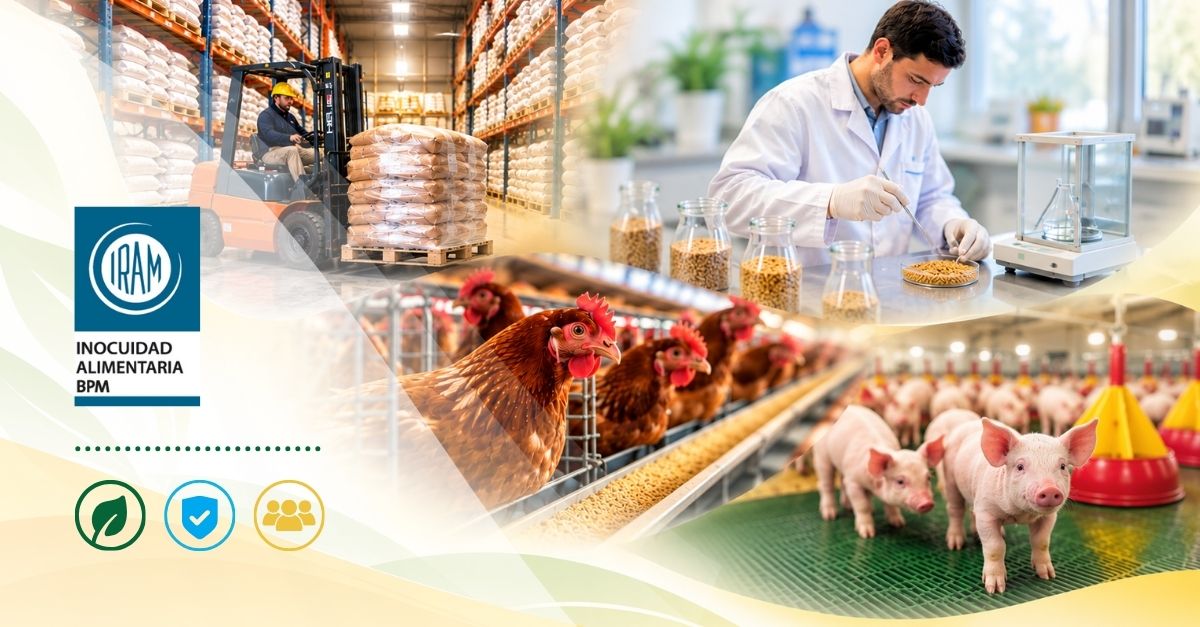 17 SEP
At Fusión Pampa, quality is not just a promise—it is a certified commitment. We have successfully passed IRAM's annual surveillance audit,...
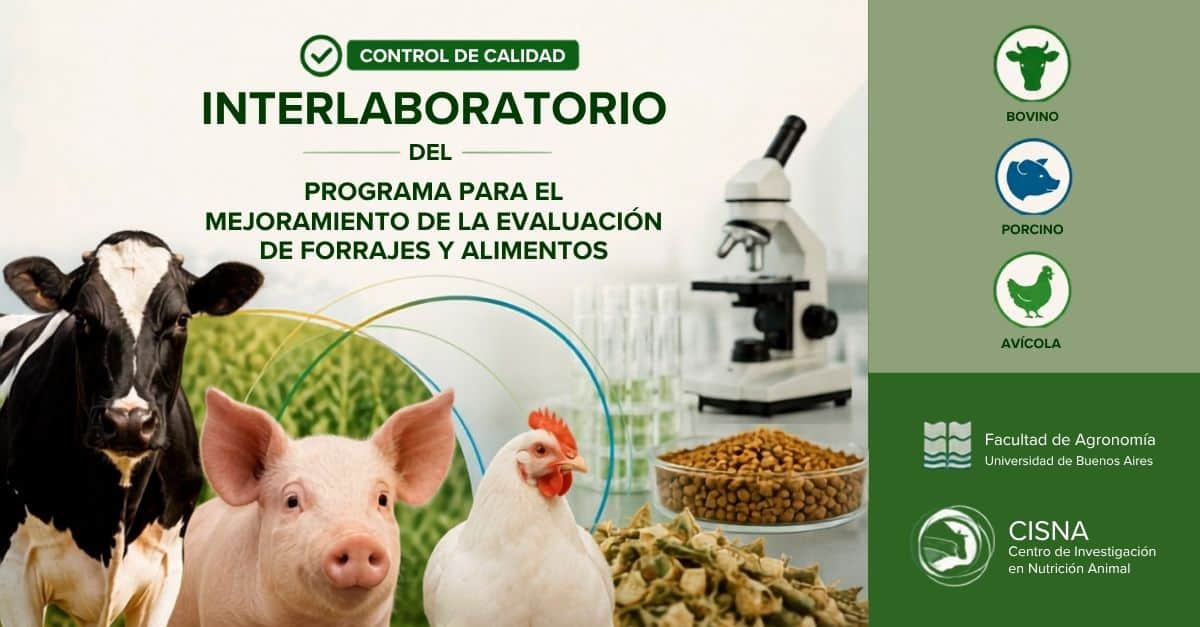 14 JUL
Fusión Pampa has been awarded the PROMEFA 2025 Certificate of Participation and Competence, a distinction that validates our laboratory's performance...
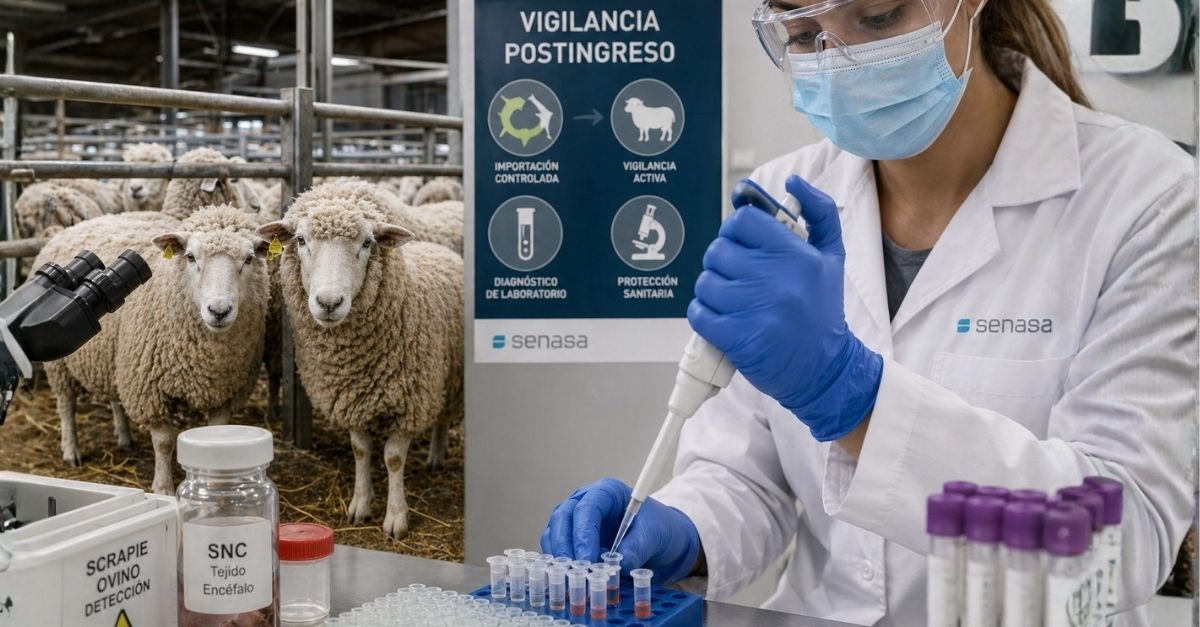 28 ABR
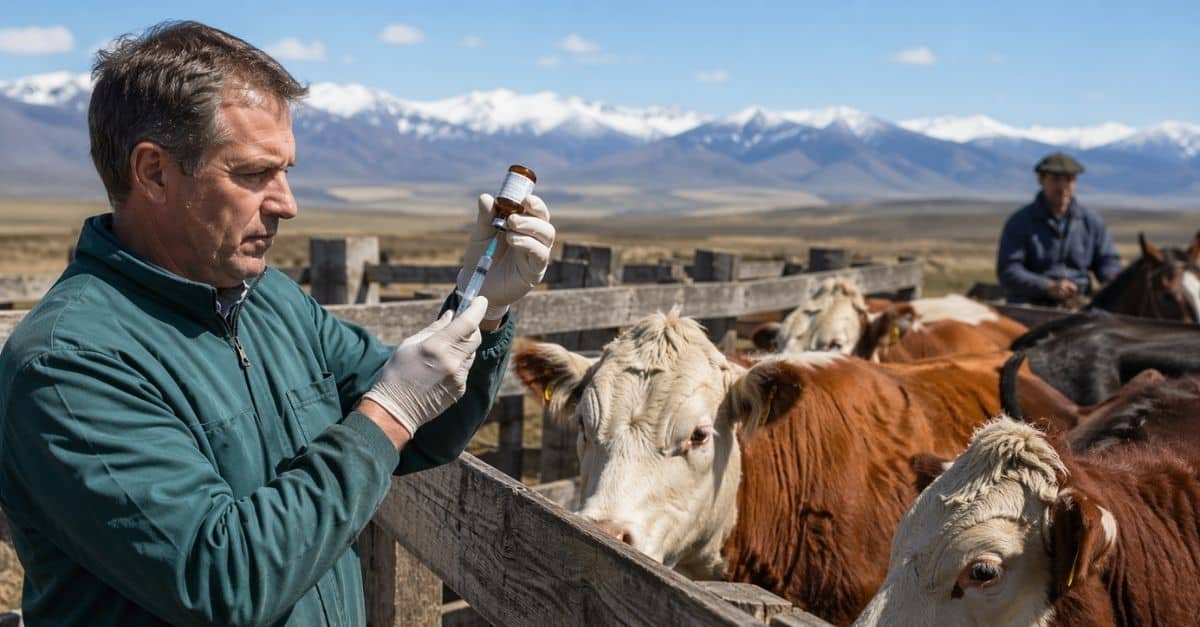
Animal health in Argentina is facing a major epidemiological milestone following the recent confirmation by the National Service for Agri-Food Health...
 21 ABR
The strength of the proposed approach is not circumstantial; it is grounded in a prolonged and rigorously documented epidemiological silence....
 01 ABR
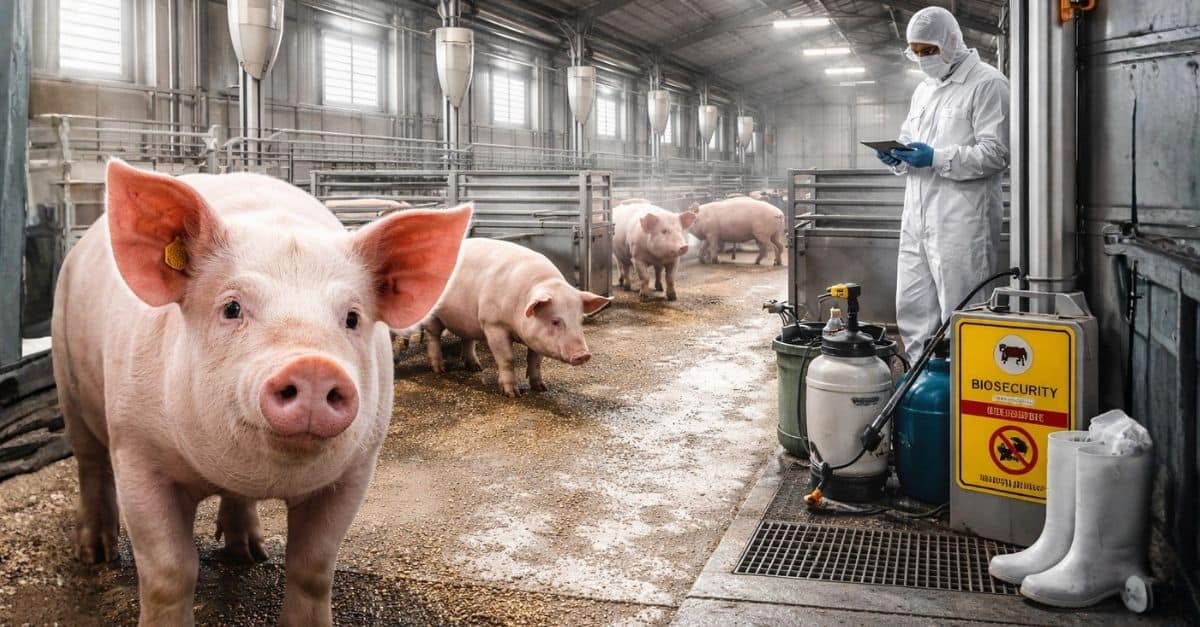
Argentina’s swine health sector is undergoing a major regulatory update with the implementation, on April 21, 2026, of the new National Plan for the...