

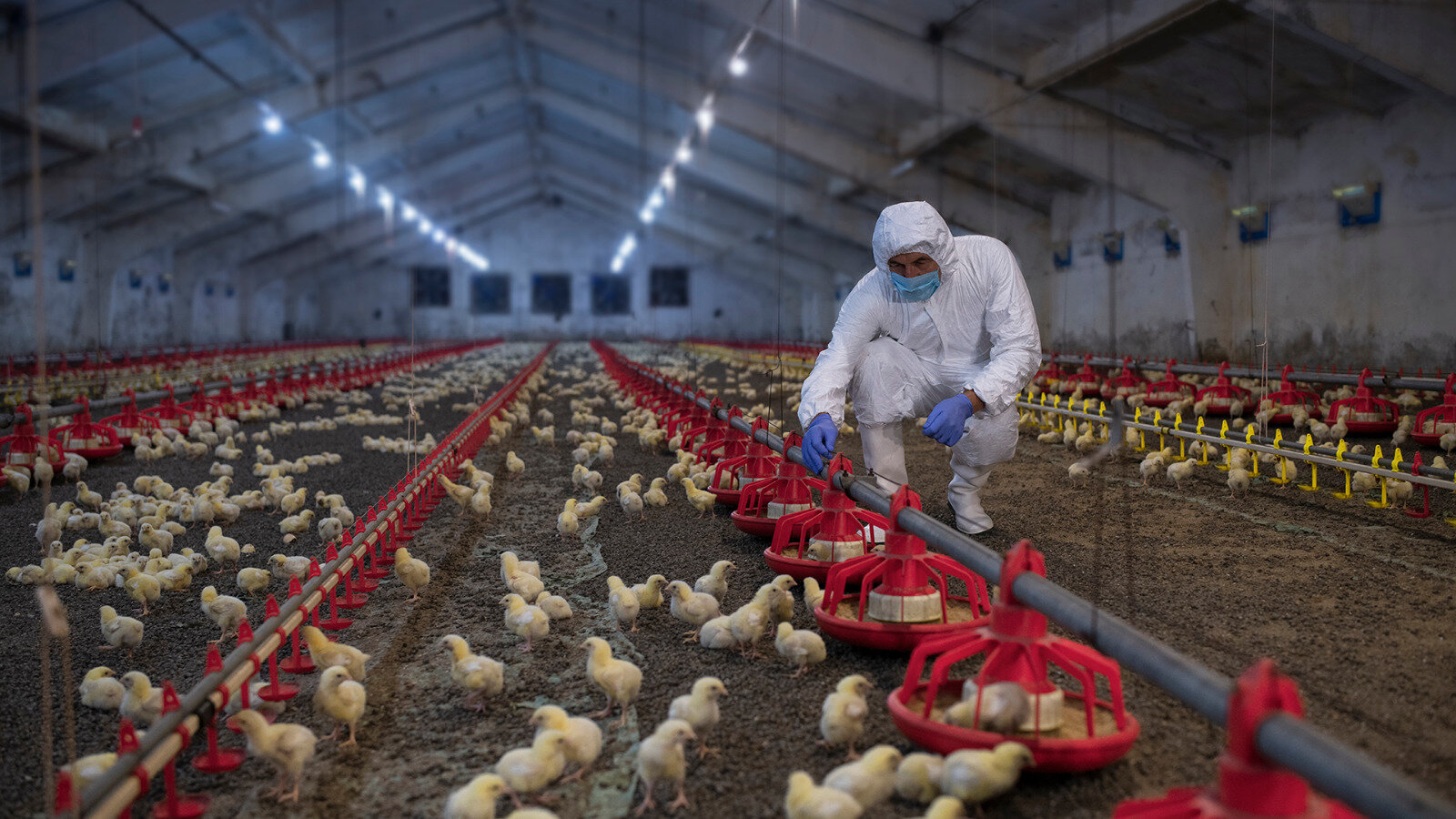
SENASA provides information on this issue, preventive measures, and the importance of raising awareness about antimicrobial resistance.
Antimicrobial resistance (AMR) is the ability of microorganisms to evade the action of antibiotics. It arises as a natural selection process in which pathogens can mutate during reproduction and develop drug resistance.
As part of the World Antimicrobial Awareness Week 2024, the National Service for Agrifood Health and Quality (Senasa) emphasizes the importance of the proper, conscious, and responsible use of antibiotics to strengthen food quality and public health in Argentina.
The awareness week promoted by the World Organisation for Animal Health (WOAH) is a campaign aimed at raising awareness and spreading information about the issue of antimicrobial resistance, while encouraging global action among national veterinary authorities, animal health professionals, farmers, livestock producers, policymakers, media, civil society, and the general public to combat the development and spread of microorganisms resistant to these drugs.
Responsible and prudent use and disposal of antimicrobials are strongly recommended. To achieve this, it is essential to adopt best practices in the use of antibiotics across agricultural, veterinary, phytosanitary, and human health sectors, aiming to mitigate resistance and support preventive actions that reduce the need for antimicrobial use.
The measures and recommendations implemented by Senasa are designed to promote responsible antibiotic management, with the goal of reducing the emergence of multidrug-resistant bacteria and ensuring the effectiveness of medical treatments, especially those used for severe infections.